

Hey there! As a supplier of Brushless Power Drill, I often get asked about the no - load speed of brushless power drills. So, let's dive right in and talk about what this no - load speed really means and why it matters.
First off, what is the no - load speed? Well, the no - load speed of a power drill is the speed at which the drill's chuck rotates when there's no load on it. In simpler terms, it's how fast the drill spins when it's not actually drilling into anything. This speed is usually measured in revolutions per minute (RPM).
For example, if a brushless power drill has a no - load speed of 2000 RPM, it means that the chuck of the drill will spin around 2000 times in one minute when it's just sitting there, not working on any material. It's kind of like revving up a car engine without actually moving the car forward.
Now, you might be wondering why the no - load speed is such a big deal. The no - load speed gives you an idea of how fast the drill can potentially operate. A higher no - load speed generally means that the drill can complete tasks more quickly. If you're working on a project that requires a lot of holes to be drilled, a drill with a high no - load speed can save you a ton of time.
Let's say you're building a bookshelf and you need to drill a bunch of holes for the shelves to attach. A drill with a no - load speed of 3000 RPM will be able to drill those holes faster than one with a no - load speed of 1500 RPM. However, it's important to note that the actual speed at which the drill operates when it's drilling into a material will be lower than the no - load speed. This is because the material creates resistance, which slows down the drill.
The no - load speed also affects the type of materials you can work with. For softer materials like wood or plastic, a higher no - load speed is usually better. The fast rotation can cut through these materials easily and cleanly. On the other hand, for harder materials like metal or concrete, a lower no - load speed might be more appropriate. A high - speed drill can cause the bit to overheat or break when drilling into hard materials.
As a supplier, I've seen a wide range of no - load speeds in different brushless power drills. Some of our entry - level Brush 12V Electric Drill models have a no - load speed of around 1000 - 1500 RPM. These are great for light - duty tasks around the house, like hanging pictures or assembling small furniture.
Our mid - range brushless power drills typically have a no - load speed of 2000 - 2500 RPM. These drills are suitable for a variety of projects, from DIY home improvement to small - scale professional work. They can handle both soft and moderately hard materials with ease.
For the heavy - duty users out there, we offer high - end brushless power drills with a no - load speed of 3000 RPM or more. These drills are designed for professional contractors who need to drill through tough materials quickly and efficiently.
Another factor to consider is the variable speed feature. Many of our Electric Drill Rechargeable models come with variable speed settings. This allows you to adjust the no - load speed according to the task at hand. You can start with a lower speed when you're starting a hole or working on a delicate material, and then increase the speed as needed.
Let's talk about how the no - load speed is related to the power of the drill. Generally, a more powerful drill will have a higher no - load speed. The power of a drill is usually measured in volts. A 20V drill will typically have a higher no - load speed than a 12V drill. However, it's not just about the voltage. The motor design and the quality of the components also play a big role in determining the no - load speed.
When choosing a brushless power drill, it's important to balance the no - load speed with other factors. A drill with a very high no - load speed might not be the best choice if it lacks torque. Torque is the rotational force that the drill uses to turn the bit. Without enough torque, the drill might stall when it hits a tough spot in the material.
In our product line, we've spent a lot of time and effort to find the right balance between no - load speed and torque. Our engineers have worked hard to design drills that offer both high - speed performance and sufficient torque. Whether you're a DIY enthusiast or a professional contractor, we have a drill that will meet your needs.
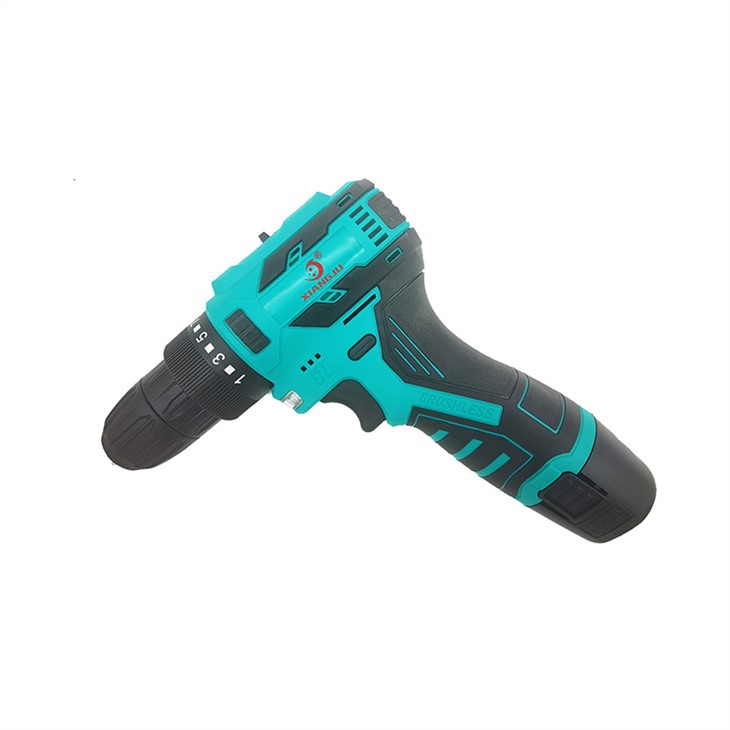

If you're in the market for a brushless power drill, I highly recommend considering the no - load speed along with other features. It's not the only thing that matters, but it's an important factor that can greatly impact your drilling experience.
At our company, we're committed to providing high - quality brushless power drills. We understand that different customers have different needs, and that's why we offer a wide range of drills with varying no - load speeds. Whether you're looking for a drill for occasional home use or a heavy - duty drill for professional work, we've got you covered.
If you're interested in learning more about our products or have any questions about the no - load speed of our drills, don't hesitate to reach out. We're always happy to help you find the perfect drill for your project. We can also provide you with more detailed information about the specifications of our drills, including the no - load speed, torque, and battery life.
So, if you're ready to take your drilling game to the next level, consider one of our brushless power drills. With their high - quality construction and excellent performance, you won't be disappointed. And who knows, you might just fall in love with the world of power tools all over again!
If you're interested in purchasing our products or have any questions regarding our brushless power drills, feel free to contact us for a procurement discussion. We're eager to work with you and provide the best solutions for your needs.
References:
- Power Tool Basics: Understanding Drill Speeds and Torque, Home Improvement Guides
- The Ultimate Guide to Choosing the Right Power Drill, DIY Magazine
