Hunan Yuanju Power Tools Manufacturing Co., Ltd

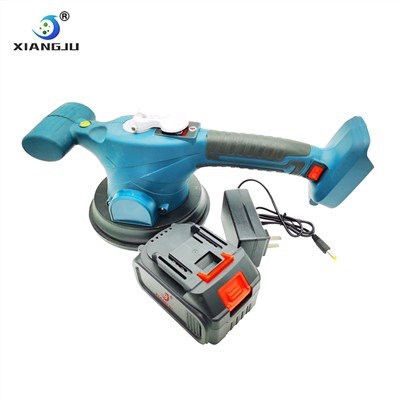
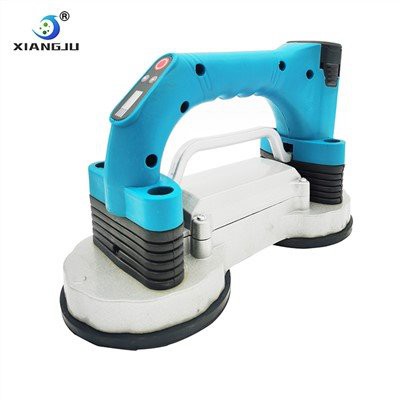
Tiles Laying Machine

Why Choose Us?

Quality products

We have advanced production and testing equipment, and our products meet various standards.


Rich experience

We have years of industry experience and a team of experienced engineers and technicians to ensure consistent precision and high quality of our products.

Reliable service

Our team is committed to providing reliable and consistent service, ensuring that you receive high-quality products and customer support from us every time.


Professional team

The company is in possession of numbers of senior engineers and has abundant technique power, well conditioned equipment and technology comes to perfection.

What Is Tiles Laying Machine

A tiles laying machine is a sophisticated piece of equipment that automates the placement and installation of floor tiles. These machines come in various sizes and configurations to accommodate different types of tiles and installation patterns. They are equipped with advanced features such as laser-guided precision, adjustable settings for different tile sizes, and programmable patterns to ensure that the tiles are laid out perfectly aligned and with consistent spacing.

  • Tile Laying Machine

    Tile Laying Machine

    It features as:. 1. We have 2 patents for this tile laying machine, we R&D by ourselves. 2. Strong

    Add to Inquiry
  • Wireless Tile Vibrator

    Wireless Tile Vibrator

    It features as:. 1. 0-120Hz/S vibration frequency. 2. Ergonomic shape design. 3. l CE/ SGS/ TUV/

    Add to Inquiry
  • Automatic Tile Leveling Machine

    Automatic Tile Leveling Machine

    Product Features:. 1. Suitable for wall tiles, small floor tiles, used for the movement and

    Add to Inquiry
  • Handheld Electric Tile Machine

    Handheld Electric Tile Machine

    Product Features: . 1. Brushless motor for long time tool life. 2. Anti-slip ergonomic handle. 3.

    Add to Inquiry
  • Tile Leveling Machine

    Tile Leveling Machine

    It features as:. 1. Suction lock button. 2. Ergonomic soft leather-covered handle. 3. lift and

    Add to Inquiry
Advantages of Tiles Laying Machine
 

Increase efficiency and productivity
Tiles laying machines significantly increase efficiency and productivity. These machines are capable of laying tiles at a much faster rate than traditional manual methods. This not only saves time but also reduces labor costs, making projects more cost-effective in the long run.

Higher level of precision and accuracy
Tiles laying machines ensure a higher level of precision and accuracy in tile placement. The machines are programmed to lay tiles with consistent spacing and alignment, resulting in a more professional and aesthetically pleasing finish. This level of precision is often difficult to achieve with manual labor alone.

Reduce labor force
Using tiles laying machines can help reduce the physical strain on workers. Manual tile laying can be a labor-intensive task that requires bending, lifting, and repetitive motions, which can lead to fatigue and potential injuries. By automating the process with machines, workers can focus on supervising the machine operation rather than performing strenuous tasks themselves.

Widely used
Tiles laying machines are versatile and can be used for various types of tiles and patterns. Whether it's ceramic, porcelain, marble, or any other material, these machines can handle different tile sizes and shapes with ease. They can also be adjusted to create different patterns or designs according to the project requirements.

The Evolution of Tiles Laying Machines: A Comprehensive Overview


Early tile laying was done entirely by hand, using basic tools like trowels and spacers. This method was labor-intensive, time-consuming, and required skilled workers.
As technology advanced, semi-automated tile laying machines were introduced. These machines helped to reduce the physical workload on workers by automating some of the more repetitive tasks, such as spacing and grouting. However, they still required significant manual intervention.
Fully automated tile laying machines are now available, capable of laying tiles without any manual intervention. These machines use sensors and computer-controlled actuators to precisely position and lay tiles, significantly increasing production rates and reducing labor costs.
With the rise of robotics technology, tile laying robots are now entering the market. These robots can operate independently, guided by sensors and algorithms, to lay tiles with incredible precision and speed. They are especially useful in hard-to-reach areas or for complex tiling patterns.
The latest evolution in tile laying machines is the development of intelligent systems that can adapt to different tile sizes, shapes, and materials. These systems use advanced algorithms and machine learning to optimize tile layout and maximize efficiency.
As environmental concerns grow, tile laying machines are also evolving to be more sustainable. Manufacturers are developing machines that use less water, reduce waste, and operate more efficiently, helping to mitigate the environmental impact of the tiling industry.
With the continuous advancement of technology, the future of tile laying machines looks bright. We can expect to see more intelligent, autonomous machines that can handle even more complex tiling tasks. There is also potential for the integration of tile laying machines with other construction robots and automation systems to create fully automated construction sites.
The evolution of tile laying machines has been remarkable, transforming the tiling industry from a labor-intensive process to a highly automated, efficient, and sustainable operation. As technology continues to advance, we can expect even more innovations in tile laying machines that will further revolutionize the industry.

How Does a Tiles Laying Machine Work
 

A tiles laying machine, also known as a tile setter or tile installation machine, is a specialized piece of equipment used in the construction industry to efficiently and accurately lay tiles on various surfaces such as floors, walls, and ceilings.  

1

Preparation: Before using the tiles laying machine, the surface to be tiled must be properly prepared. This includes cleaning the surface, ensuring it is level and free of any debris or obstacles that could interfere with the tiling process.

2

Loading: The tiles laying machine is loaded with tiles of the desired size and shape. The machine can be adjusted to accommodate different types of tiles, including ceramic, porcelain, marble, and other materials.

3

Setting parameters: The operator sets parameters such as tile spacing, alignment, and adhesive application using the control panel of the machine. These parameters ensure that the tiles are laid in a precise and uniform manner.

4

Positioning: The tiles laying machine is positioned at the starting point of the tiling area. The operator guides the machine along the surface while it automatically lays down tiles according to the set parameters.

5

Adhesive application: The machine applies adhesive or mortar to the back of each tile before placing it on the surface. This ensures proper adhesion and prevents tiles from shifting or coming loose over time.

6

Grouting: Once all the tiles are laid down, grout is applied between them to fill in gaps and create a seamless finish. The operator can choose grout color based on design preferences.

7

Finishing touches: After grouting is complete, any excess grout is removed from the surface using a sponge or cloth. The tiled surface is then left to dry before being polished or sealed for added protection.

Tile Laying Machine


Features of Tiles Laying Machine

Suitable for wall tiles, small floor tiles: Used for the movement and installation of floor tiles and wall tiles, greatly improving the efficiency of the work.
Intelligent frequency control: Multi-position adjustment, spring lock mechanism design: Convenient and effortless.
Super adsorption capacity: Super strong adsorption capacity, easy to paste tiles.
One-button vibration, even force: Can adjust the vibration frequency according to the size of the brick, can correct the position of the brick and improve efficiency.
One-handed operation: Stable and safe operations make your job easier, suitable for engineering teams and also suitable for home use.
Battery life: Built-in lithium battery, fast charging, long-lasting battery life.

How To Lay Tile Flooring


Measure and Plan Layout
Use the tape measure to measure the length and width of the room. Multiply length times width to arrive at the total area to be tiled. Add another 10 to 15% to account for imperfect or broken tiles, as well as for cut tiles along the edges.
Early in the planning stages, decide on the tile pattern: grid, herringbone, staggered, pinwheel, diagonal or other. The tile pattern will affect the number of tiles to order.
Assess Subfloor
The subfloor must be level and solid so that the tile and grout do not crack. If you jump lightly on the floor and feel a bounce, the floor is too flexible for tile and must be strengthened.
Half-inch or 3/4-inch exterior grade plywood is an ideal tiling surface. Existing vinyl tile, sheet vinyl, linoleum, concrete and even ceramic tile are suitable tiling surfaces and can remain in place, though with some alterations.
Repair Joists
If the flooring joists are too flexible for tile, access the floor from below and strengthen the joists by sistering them with an additional two-by-six or two-by-eight nailed alongside the joist.
If the subfloor appears to be flexing atop the joist and the joist is solid, drive plastic shims between the joist and the subfloor to prevent the subfloor from moving.
Remove Baseboards and Molding
With the pry bar, gently pry off baseboards and shoe moldings. Remove all other obstructions such as heating vents and floor transitions.
In bathrooms, remove the toilets. While it is not necessary to tile under the sink cabinet, it can be helpful later on if you decide to change the layout of the bathroom.
Scuff Glossy Floor Coverings
With any glossy floor covering such as ceramic tile or vinyl flooring, lightly scuff the surface with 60 grit sandpaper for better stickability.
Add Isolation Membrane
When tiling directly on a concrete floor, add a crack isolation membrane. This product unlocks the tile from the concrete so that cracks and movements in the concrete are not transferred to the tile.
Undercut Door Casings
Lay a spare tile upside down, next to the door casing. Rest the jam saw on top of the tile and cut the casing horizontally. The tile plus the thickness of the saw represents the total thickness of the eventual installation.
Repair Subfloor
If the subfloor has small dips, pour a self-leveling compound in the spot and let it cure. Self-leveling compound will fix dips and low spots as deep as 1-1/2 inches.
Run a straight board across the subfloor to identify bulges. Sand down any bulges with 60 grit sandpaper on a belt sander.
Snap Chalk Line
With the tape measure, find and mark the center point of the room's length and width. Snap the chalk line down both of these center lines.
Dry-fit Tiles
Start at the center line and work outwards, being sure to add tile spacers between the tiles. Do this in both directions, both length and width. Avoid having tiles that are half-size or less. If so, push the tile off-center until this is corrected.
Spread Thinset
After adding the premixed thinset to the mixing tub, trowel some of the thinset onto the tiling surface. Work in areas about 2 feet by 2 feet to avoid having the thinset dry before you can tile it. Spread out the thinset with the notched side of the trowel. The notches will regulate the correct amount of thinset on the floor.

Precautions for Operating the Tiles Laying Machine
 

Personal Protective Equipment (PPE): Safety glasses or goggles to protect your eyes from flying debris and tile fragments. Dust mask or respirator to prevent inhalation of dust and airborne particles. Ear protection if using loud power tools like tile saws. Gloves to protect your hands from sharp edges and chemicals.


Proper Clothing: Wear appropriate work clothing that covers your skin to minimize contact with sharp or abrasive materials.


Ventilation: Ensure good ventilation in the work area to reduce exposure to dust and fumes. Open windows and doors if possible, and consider using fans or exhaust systems.


Dust Control: Tile installation can create a significant amount of dust. Use a dust control system or a wet saw to minimize airborne dust. Clean up dust regularly to maintain a safe work environment.


Chemical Safety: If you're using adhesives, grout, or other chemicals, carefully read and follow the manufacturer's safety instructions. Work in a well-ventilated area, and use appropriate protective gear.


Tool Safety: Ensure that all power tools and equipment are in good working condition before use. Follow safety guidelines for each tool and read the instruction manuals. Keep cutting tools, such as tile saws, sharp to prevent accidents. Unplug power tools when not in use and store them safely.


Ladder Safety: If you need to work at heights, use a stable ladder that's appropriate for the job. Ensure it's on a level surface and follow ladder safety guidelines.


Electrical Safety: When working with power tools, make sure cords are in good condition, and don't overload electrical outlets.


Fire Safety: Be cautious when working near open flames or heat sources, especially if using gas-powered tools.


First Aid: Have a well-stocked first aid kit on hand in case of minor injuries. Know how to treat common injuries like cuts and abrasions.


Emergency Planning: Familiarize yourself with the location of fire extinguishers, emergency exits, and how to shut off utilities in case of emergencies.


Proper Technique: Take your time and use proper technique when cutting and handling tiles. Rushing can lead to accidents.


Work Area Organization: Keep your work area clean and organized to reduce trip hazards and improve overall safety.

What Is the Purpose of Leaving Gaps Between Tiles During Installation
 

Leaving gaps between tiles during installation serves several important purposes, contributing to the overall stability and longevity of the tiled surface. These gaps, commonly referred to as grout lines, are intentional and play a crucial role in both the aesthetic and functional aspects of tiled spaces. Here are the primary purposes: 

Compensate for size variation: Tiles, even those from the same batch, can have slight variations in size. Grout lines provide a buffer zone, allowing installers to adjust for these size differences and achieve a more uniform and visually pleasing appearance.

Accommodate for expansion and contraction: All materials, including tiles and the substrates they're installed on, can undergo slight expansion and contraction due to changes in temperature and humidity. Grout lines act as expansion joints, reducing the risk of tiles cracking or buckling under these conditions.

Alignment and straightness: Grout lines help maintain straight and aligned tile patterns. They act as guides during the installation process, ensuring that the tiles are positioned accurately and creating a visually pleasing layout.

Prevent edge chipping: Tiles can be susceptible to chipping along their edges during installation or if they experience stress. Grout lines act as a buffer, reducing the risk of damage to the edges and corners of the tiles.

Facilitate cleaning: Grout lines make it easier to clean and maintain the tiled surface. They create a separation between tiles, preventing dirt, debris, and moisture from accumulating in the spaces between them. This is particularly important in areas like kitchens and bathrooms.

Enhance aesthetics: Grout lines contribute to the overall design and aesthetic appeal of the tiled surface. The color and width of grout lines can be selected to complement or contrast with the tiles, influencing the visual impact of the installation.

Efficiency and Precision: The Benefits of Using Tiles Laying Machines


Tiles laying machines significantly improve efficiency in the installation process. Traditionally, laying tiles manually can be a time-consuming and labor-intensive task, requiring a great deal of effort and skill to ensure that the tiles are placed correctly. With the use of tiles laying machines, however, the process is streamlined and accelerated. These machines are designed to lay tiles quickly and accurately, reducing the time and manpower required for the job. As a result, construction projects can be completed more swiftly, leading to cost savings and increased productivity.


In addition to efficiency, tiles laying machines also offer superior precision in tile placement. These machines are equipped with advanced technology that allows them to position each tile with incredible accuracy. This level of precision ensures that the tiles are laid evenly and securely, creating a flawless finish that enhances the overall quality of the project. Whether it's a small residential renovation or a large-scale commercial development, using tiles laying machines guarantees a professional-looking result that meets the highest standards.


The use of tiles laying machines can also help reduce waste during the installation process. By minimizing errors and ensuring precise placement of each tile, these machines help optimize material usage and prevent costly mistakes. This not only benefits the project budget but also contributes to sustainability efforts by reducing unnecessary waste.


Tiles laying machines offer significant advantages in terms of efficiency and precision in tile installation. By streamlining the process, improving accuracy, and reducing waste, these innovative tools have become invaluable assets in modern construction projects.

Our Factory
 

Hunan Yuanju Power Tools Manufacturing Co., Ltd is a leading manufacturer of lithium cordless power tools, we manufacture DC electric brushless and cordless wrench, electric drilling machine, electric rotary hammer, chain saw, circular saw, tiles paving machine, saber saw, angle grinder, reciprocating saw, electric shear, lithium screwdriver, air blower/ dryer, all are lithium powered with innovative design, high quality, fast delivery, competitive price and superior after-sales service.


productcate-1-1

Our Certificate
 

productcate-1-1

productcate-1-1


FAQ


Q: What tool is used to lay tile?

A: A few simple tools like tile cutters, trowels, mixers, and leveling systems are essential to do the installation. The tile cutter is helpful for cutting glazed tiles and consists of a rectangular platform with a frame along which the cutter wheel moves.

Q: What is the process of laying tile?

A: Install tile along your reference line, placing spacers between each tile. Every couple of tile, pull one up to make sure there's full contact with the thinset. If there's not, back-butter the tile — apply mortar to the back of the tile — to get more coverage.

Q: How long does new tile need to set?

A: As a general rule, you should give it a minimum of 24 hours before proceeding to grout your tiles, but it could take as long as 48 hours to dry completely. Even then, there's no harm in waiting a bit longer to ensure everything has dried and cured completely.

Q: How long does it take tile mortar to cure?

A: Thinset. Thinset mortar is also known as dry set or dry bond mortar, it contains a water retaining additive that assists with the curing and hydration process. It is most frequently used for tiles and counter-tops. Thinset mortar takes between 24-48 hours to cure.

Q: How long after laying tile can you walk on it?

A: Residents should avoid walking or placing pressure upon newly-installed tile floors for around 24 hours to ensure the mortar is properly cementing the tiles to the floor's underlayment sets. The inhabitants should then wait an additional 24 to 72 hours after the tiles are grouted before walking on them.

Q: What are the four basic tools used in tile installation?

A: The four basic tools you need for installing tiles are a manual or electric tile cutter, a notched tile spreader, tile spacers and a grout float.

Q: What is the 3 4 5 rule for laying tile?

A: To get a perfectly square corner, you want to aim for a measurement ratio of 3:4:5. In other words, you want a three-foot length on your straight line, a four-foot length on your perpendicular line, and a five-foot length across. If all three measurements are correct, you'll have a perfectly square corner.

Q: What is the process of laying tile?

A: Install tile along your reference line, placing spacers between each tile. Every couple of tile, pull one up to make sure there's full contact with the thinset. If there's not, back-butter the tile — apply mortar to the back of the tile — to get more coverage.

Q: What is a tiles laying machine?

A: A tiles laying machine is a specialized equipment used in construction to lay tiles quickly and accurately.

Q: Is laying tile hard to do?

A: Real-life tiling doesn't happen that way, especially for unseasoned do-it-yourselfers. Laying tile is easy, but laying tile and doing it well is difficult. If you have never tiled before, prepare for this project to be time-consuming and tedious, as it's not easy to make repairs or adjustments if it's done incorrectly.

Q: What is the first step in laying tile?

A: The first step in laying out tile is to mark a guideline, or layout line, in the room to make sure your tile pattern is evenly centered. Measure the four walls in the room with a tape measure to find the midpoint. Snap a chalk line between the marks from two opposite walls.

Q: What are the benefits of using a tiles laying machine?

A: Using a tiles laying machine can significantly reduce labor costs, improve efficiency, and ensure precise tile placement.

Q: Are there different types of tiles laying machines?

A: Yes, there are different types of tiles laying machines, including robotic arms, conveyor belt systems, and vacuum suction devices.

Q: Are there any limitations to using a tiles laying machine?

A: While highly efficient for laying tiles in large quantities, some intricate or custom tiling designs may still require manual intervention or adjustments by skilled craftsmen.

Q: How long does tiling works take?

A: Tiling compound is designed to go off (harden) within 30 mins to 2 hours so you have to work fast. Once the compound is troweled onto the substrate with a notch trowel, laying the tiles is quick. Just let them drop into place, level them and add spacers. A professional can do an average room in a few hours.

Q: What are the benefits of a wet saw?

A: Wet saws are commonly used in construction, remodelling, and tile installation projects. They offer precise cuts, reduce dust and debris, and increase the lifespan of the cutting blade. One of the key benefits of using a wet saw is the ability to make straight, clean cuts without damaging the material being cut.

Q: What types of tiles can be laid using a tiles laying machine?

A: Tiles laying machines can be used to lay various types of tiles, including ceramic, porcelain, marble, granite, and other types of natural stone tiles.

Q: Can a tiles laying machine work on uneven surfaces?

A: Tiles laying machines are designed to work on relatively flat and even surfaces. However, some machines may have features or adjustments that allow them to adapt to minor unevenness in the substrate.

Q: What are the safety precautions for ceramic tile?

A: Personal protective equipment (PPE): Always wear appropriate personal protective equipment during tile installation, including safety goggles, dust masks or respirators, gloves, and knee pads. PPE helps protect you from potential hazards such as dust, sharp tile edges, and chemical exposure.

Q: What is the benefit of tile flooring?

A: Long-lasting and durable: When tile flooring is installed correctly, high-quality tiles can provide a timeless look for a home. With proper maintenance, tiles are decently resistant to permanent damage and can easily last over 20 years.

We're well-known as one of the leading tiles laying machine manufacturers and suppliers in China. Please rest assured to wholesale high quality tiles laying machine at competitive price from our factory. For more discount information, contact us now.

tile vibration, Lthium-battery tile paving machine, tile laying vibrating tool
goTop

(0/10)

clearall