

Hey there! As a supplier of Tile Laying Machines, I've seen firsthand how these nifty tools can make tile - laying jobs a whole lot easier. But just like any piece of equipment, using a tile laying machine comes with its own set of safety precautions. In this blog, I'll walk you through some essential safety tips to keep in mind when using these machines.
Pre - operation Checks
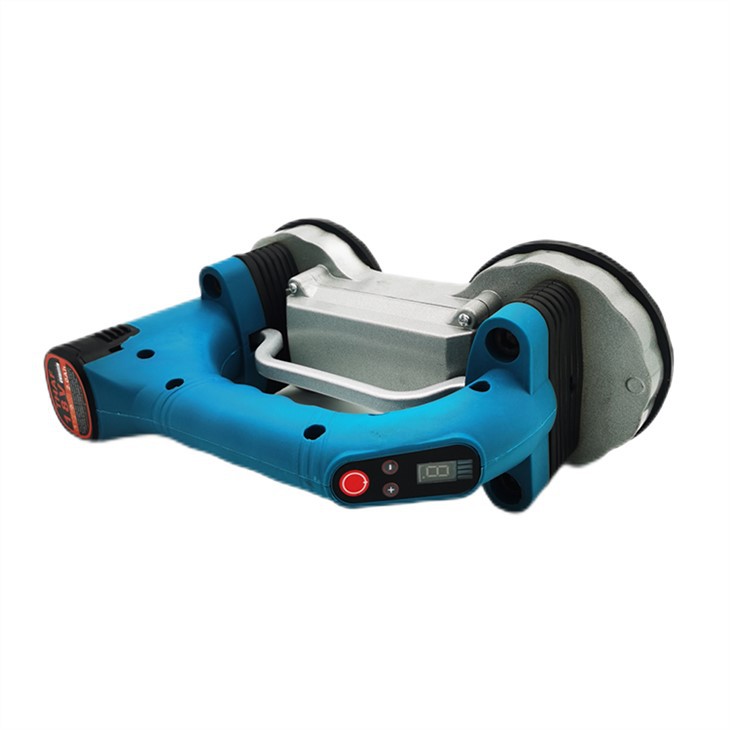
Before you even turn on your tile laying machine, there are a few things you need to do. First off, give the machine a good visual inspection. Check for any obvious signs of damage like cracks, loose parts, or frayed wires. If you're using the Handheld Electric Tile Machine, make sure the handle is firmly attached and that there are no issues with the power cord. For the Automatic Tile Leveling Machine, ensure that all the leveling components are in place and functioning correctly.
Next, read the user manual. I know it might seem like a hassle, but it's really important. The manual will have specific instructions for your particular model of Tile Laying Machine, including safety guidelines. It'll tell you things like the correct way to load tiles, how to adjust the settings, and what kind of maintenance is required.
Personal Protective Equipment (PPE)
Wearing the right PPE is non - negotiable when using a tile laying machine. Start with safety goggles. Tiles can break, and small shards can fly off during the laying process. Safety goggles will protect your eyes from these flying debris.
Ear protection is also crucial. Tile laying machines can be quite noisy, especially the more powerful ones. Prolonged exposure to loud noise can cause hearing damage, so make sure you wear earplugs or earmuffs.
Gloves are a must. They'll protect your hands from cuts, abrasions, and chemicals if you're using any tile adhesives. And depending on the type of machine you're using, you might also need to wear a dust mask. Some machines can kick up dust, especially when working with certain types of tiles or when cutting them.
Working Environment
The environment where you're using the tile laying machine matters a lot. Make sure the area is well - ventilated. If you're using adhesives or other chemicals, proper ventilation will help prevent the buildup of fumes.
Keep the work area clean and free of clutter. Tripping hazards are a real risk, especially when you're moving around with a heavy tile laying machine. Also, make sure the floor is stable and level. An uneven surface can cause the machine to tip over or operate incorrectly.
If you're working in a confined space, be extra careful. There might be limited room to maneuver the machine, and it can be harder to escape in case of an emergency.
Machine Operation
When operating the tile laying machine, follow the correct procedures. Don't try to force the machine to do something it's not designed for. For example, don't overload the Handheld Electric Tile Machine with tiles that are too large or heavy for it.
Keep your hands and fingers away from moving parts. Many tile laying machines have rotating or moving components that can cause serious injuries if you get too close. If you need to make any adjustments to the machine, turn it off first and wait for all moving parts to come to a complete stop.
When using the Automatic Tile Leveling Machine, make sure you understand how the leveling system works. Incorrect leveling can lead to uneven tile installation, which might require you to redo the work.
Electrical Safety
If your tile laying machine is electric, electrical safety is of utmost importance. Always use a grounded outlet. This helps prevent electrical shocks in case of a short circuit.
Inspect the power cord regularly for any signs of damage. If you notice any frayed wires or exposed conductors, stop using the machine immediately and have the cord replaced.
Don't use the machine in wet conditions. Water and electricity are a dangerous combination, and using the machine in a damp or wet area can increase the risk of electrical shock.
Maintenance and Storage
Regular maintenance is key to keeping your tile laying machine safe to use. Follow the maintenance schedule in the user manual. This might include things like lubricating moving parts, cleaning the machine, and checking the alignment of components.
When you're done using the machine, store it properly. Keep it in a dry, secure place where it won't be damaged. If possible, cover the machine to protect it from dust and debris.
Training and Supervision
If you're new to using a tile laying machine, it's a good idea to get some training. You can either take a course or have an experienced user show you the ropes. This will help you learn the correct operating procedures and safety precautions.
If you're supervising someone else using the machine, make sure they're following all the safety guidelines. Don't let them take shortcuts or operate the machine in an unsafe manner.
Emergency Preparedness
Even if you follow all the safety precautions, accidents can still happen. That's why it's important to be prepared for emergencies. Have a first - aid kit nearby in case of cuts or other minor injuries.
Know the location of the emergency stop button on the machine. In case something goes wrong, you can quickly stop the machine and prevent further damage or injury.
Conclusion
Using a tile laying machine can be a great way to speed up your tile - laying projects, but safety should always be your top priority. By following these safety precautions, you can minimize the risk of accidents and ensure that you have a successful and injury - free tile - laying experience.
If you're in the market for a high - quality tile laying machine, we've got you covered. Our Tile Laying Machines are designed with safety and efficiency in mind. Whether you need a Handheld Electric Tile Machine for small jobs or an Automatic Tile Leveling Machine for large - scale projects, we have the right solution for you. Contact us to discuss your needs and start a procurement conversation. We're here to help you make the best choice for your tile - laying needs.

References
- General construction safety guidelines from industry standards
- User manuals of various tile laying machine models
