

Dust protection in a mini angle grinder is a crucial aspect that significantly impacts both the tool's performance and the user's health. As a supplier of high - quality mini angle grinders, I understand the importance of this feature and am eager to share in - depth knowledge about it.
The Importance of Dust Protection
When using a mini angle grinder, a large amount of dust is generated during the grinding, cutting, or polishing processes. This dust can be extremely harmful if not properly managed. From a health perspective, inhaling fine dust particles can lead to various respiratory problems, including asthma, bronchitis, and in severe cases, even lung cancer. Prolonged exposure to dust can also cause irritation to the eyes, skin, and mucous membranes.
On the tool side, dust can penetrate into the internal components of the mini angle grinder. It can clog the motor, bearings, and other moving parts, leading to increased friction, overheating, and ultimately, a shorter lifespan of the tool. Therefore, effective dust protection is essential to ensure the long - term reliability and performance of the grinder.
Types of Dust Generated
The type of dust produced by a mini angle grinder depends on the material being worked on. When grinding metal, fine metal shavings and particles are generated. These metal dust particles are often sharp and can cause damage to the grinder's internal components if they enter. They can also be a fire hazard, as metal dust is combustible in certain conditions.
When working on concrete or stone, silica dust is produced. Silica dust is one of the most dangerous types of dust. Inhalation of silica dust can cause silicosis, a serious and irreversible lung disease. It is important to note that even short - term exposure to high levels of silica dust can be harmful.
Dust Protection Mechanisms in Mini Angle Grinders
Sealed Design
Many of our mini angle grinders, such as the Rechargeable Small Electric Angle Grinder, feature a sealed design. This means that the internal components of the grinder are enclosed in a housing that prevents dust from entering. The seals are made of high - quality rubber or other materials that are resistant to wear and tear. This design not only protects the motor and other parts from dust but also makes the grinder more durable and reliable.
Dust Shields
Dust shields are another common dust protection feature. A dust shield is a physical barrier that is attached to the grinder and helps to deflect dust away from the user and the tool. Our Wireless Dc Angle Grinder is equipped with an adjustable dust shield. The user can adjust the position of the dust shield according to the direction of grinding, ensuring maximum dust protection.
Vacuum Systems
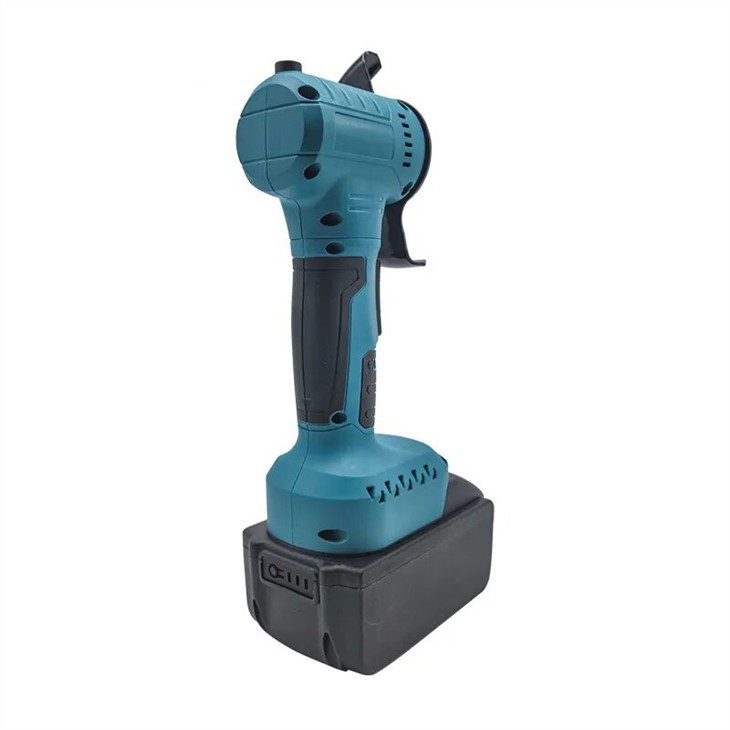
Some of our advanced mini angle grinders come with built - in vacuum systems. These vacuum systems work by creating a suction force that pulls the dust away from the grinding area. The dust is then collected in a dust bag or container. This not only keeps the work area clean but also significantly reduces the amount of dust in the air. Our Angle Grinder with Handle can be optionally equipped with a vacuum system for enhanced dust protection.
Maintenance for Dust Protection
Even with the best dust protection mechanisms, regular maintenance is still necessary to ensure the continued effectiveness of the dust protection. For example, the seals in the grinder need to be checked regularly for signs of wear. If the seals are damaged, they should be replaced immediately to prevent dust from entering the internal components.
The dust shields should also be cleaned regularly to remove any dust or debris that may have accumulated on them. If the grinder is equipped with a vacuum system, the dust bag or container should be emptied regularly to maintain the suction power.
Choosing the Right Mini Angle Grinder for Dust Protection
When choosing a mini angle grinder, it is important to consider the level of dust protection it offers. If you are working in an environment where there is a high risk of dust exposure, such as in a construction site or a metalworking shop, you should choose a grinder with advanced dust protection features, such as a sealed design and a built - in vacuum system.

It is also important to consider the quality of the dust protection components. High - quality seals, dust shields, and vacuum systems will provide better and more long - lasting dust protection.
The Role of Training in Dust Protection
In addition to having the right tools, proper training is also essential for effective dust protection. Users should be trained on how to use the mini angle grinder correctly to minimize dust generation. For example, they should be taught to use the correct grinding speed and pressure, as using too high a speed or pressure can generate more dust.
Users should also be trained on how to maintain the dust protection features of the grinder. This includes checking the seals, cleaning the dust shields, and emptying the dust bags of the vacuum systems.
Conclusion
Dust protection in a mini angle grinder is a multi - faceted issue that involves both the design of the tool and the behavior of the user. As a supplier, we are committed to providing mini angle grinders with the best dust protection features. Our products, such as the Rechargeable Small Electric Angle Grinder, Wireless Dc Angle Grinder, and Angle Grinder with Handle, are designed to protect both the tool and the user from the harmful effects of dust.
If you are interested in our mini angle grinders or have any questions about dust protection, please feel free to contact us for procurement and further discussion. We are always ready to provide you with the best products and solutions.
References
- Occupational Safety and Health Administration (OSHA). "Silica Dust Standards".
- American National Standards Institute (ANSI). "Safety Standards for Angle Grinders".
- International Electrotechnical Commission (IEC). "Standards for Electrical Tools".
