

In recent years, the electric water gun has emerged as a popular choice for various water - related activities, from outdoor play to cleaning tasks. As an electric water gun supplier, I often find myself in conversations about the environmental friendliness of these devices. This blog post aims to explore the topic in depth, considering different aspects such as energy consumption, water usage, and the materials used in manufacturing.
Energy Consumption
One of the primary concerns when evaluating the environmental impact of an electric water gun is its energy consumption. Unlike traditional manual water guns, electric water guns rely on electricity to operate. The source of this electricity can have a significant bearing on the overall environmental footprint.
If the electricity used to power the electric water gun comes from renewable sources such as solar, wind, or hydroelectric power, the environmental impact is relatively low. Renewable energy sources produce little to no greenhouse gas emissions during operation, making them a sustainable option. However, in many regions, the majority of electricity is still generated from fossil fuels like coal, natural gas, and oil. When an electric water gun is powered by electricity from these sources, it indirectly contributes to air pollution and climate change.
Modern electric water guns are designed to be energy - efficient. They often use advanced motor technologies that require less power to generate high - pressure water streams. For example, some of the High Pressure Cordless Water Gun models in our product range are equipped with brushless motors. These motors not only consume less energy but also have a longer lifespan, reducing the need for frequent replacements and thus minimizing waste.
Water Usage
Another important factor to consider is water usage. Electric water guns can be used for a variety of purposes, including cleaning cars, patios, and even for recreational water fights. The amount of water consumed during these activities can vary depending on the design and settings of the water gun.
On one hand, electric water guns can be more water - efficient compared to traditional methods. For instance, when cleaning a car, using an electric water gun allows for targeted water application. Instead of using a large hose that may waste water by spraying it over a wide area, an electric water gun can focus the water stream precisely where it is needed. This targeted approach can significantly reduce water wastage.
On the other hand, if used carelessly, electric water guns can still consume a large amount of water. For example, in a recreational water fight, people may leave the water gun running continuously, resulting in unnecessary water usage. To address this issue, many electric water guns come with adjustable nozzles and flow rate controls. Our Cordless High Pressure Water Gun models allow users to adjust the water flow according to their needs, whether it is a gentle mist for watering plants or a high - pressure stream for heavy - duty cleaning.
Materials and Manufacturing
The materials used in the manufacturing of electric water guns also play a crucial role in determining their environmental friendliness. The production process of these devices involves extracting raw materials, processing them, and assembling the final product. Each step in this process has an environmental impact.
Many electric water guns are made from plastic materials. While plastic is lightweight, durable, and cost - effective, it is also a major environmental concern. Plastic is derived from fossil fuels and can take hundreds of years to decompose in the environment. To mitigate this issue, some manufacturers, including us, are increasingly using recycled plastics in the production of electric water guns. By using recycled materials, we reduce the demand for virgin plastics and help to divert plastic waste from landfills.
In addition to using recycled materials, we also focus on reducing waste during the manufacturing process. We implement lean manufacturing principles to minimize scrap and optimize the use of raw materials. For example, we use precision molding techniques to ensure that each part of the Portable Water Gun with High Pressure Wash Gun is produced with minimal excess material.
End - of - Life Disposal
The end - of - life disposal of electric water guns is another aspect that needs to be considered. When an electric water gun reaches the end of its useful life, it can contribute to electronic waste if not disposed of properly. Electronic waste contains various hazardous materials such as lead, mercury, and cadmium, which can leach into the soil and water if not handled correctly.

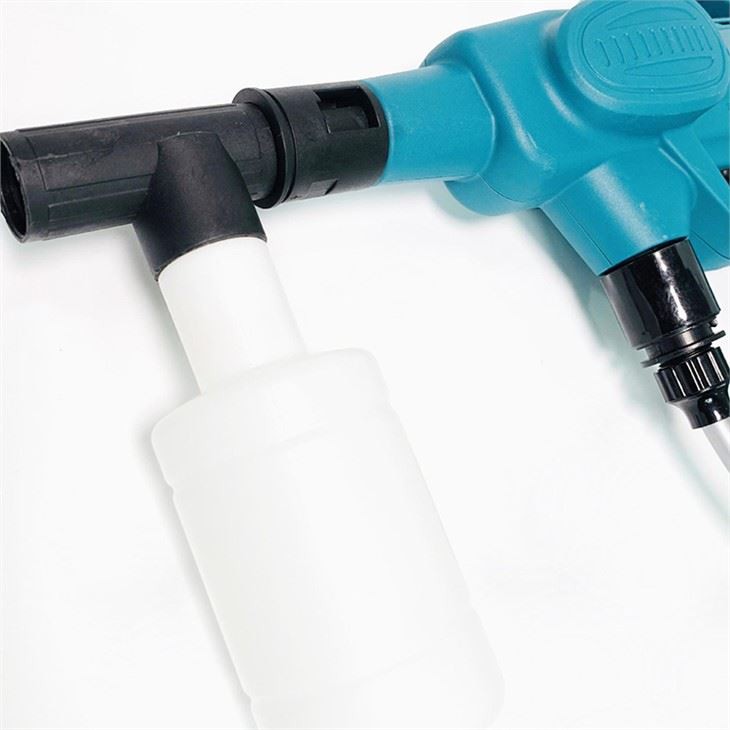
To address this issue, we encourage our customers to recycle their old electric water guns. We work with recycling partners to ensure that the components of the water guns are recycled in an environmentally responsible manner. For example, the plastic parts can be melted down and reused in the production of new plastic products, while the metal components can be smelted and used to make new metal items.
Conclusion
In conclusion, the environmental friendliness of electric water guns is a complex issue that depends on multiple factors. While they do have some environmental impacts in terms of energy consumption, water usage, and materials, there are also many ways to mitigate these effects. By using energy - efficient motors, promoting water - efficient usage, using recycled materials in manufacturing, and encouraging proper end - of - life disposal, electric water guns can be a more sustainable option compared to traditional alternatives.
As a supplier of electric water guns, we are committed to continuous improvement in terms of environmental performance. We are constantly researching and developing new technologies to make our products more energy - efficient, water - saving, and recyclable.
If you are interested in our electric water gun products and would like to discuss potential purchases, we welcome you to contact us. We look forward to working with you to find the best solutions for your needs.
References
- "Energy - efficient Motor Technologies for Small Appliances." Journal of Sustainable Energy, Vol. 15, Issue 3, 2022.
- "Water Conservation in Cleaning Equipment: A Review." International Journal of Water Resources Management, Vol. 22, Issue 4, 2021.
- "Recycled Plastics in Consumer Product Manufacturing." Journal of Environmental Science and Technology, Vol. 18, Issue 2, 2020.
