

Hey there! I'm an electric water gun supplier, and I often get asked this question: Are electric water guns compatible with all types of water sources? Well, let's dive right into it and find out.
Understanding Electric Water Guns
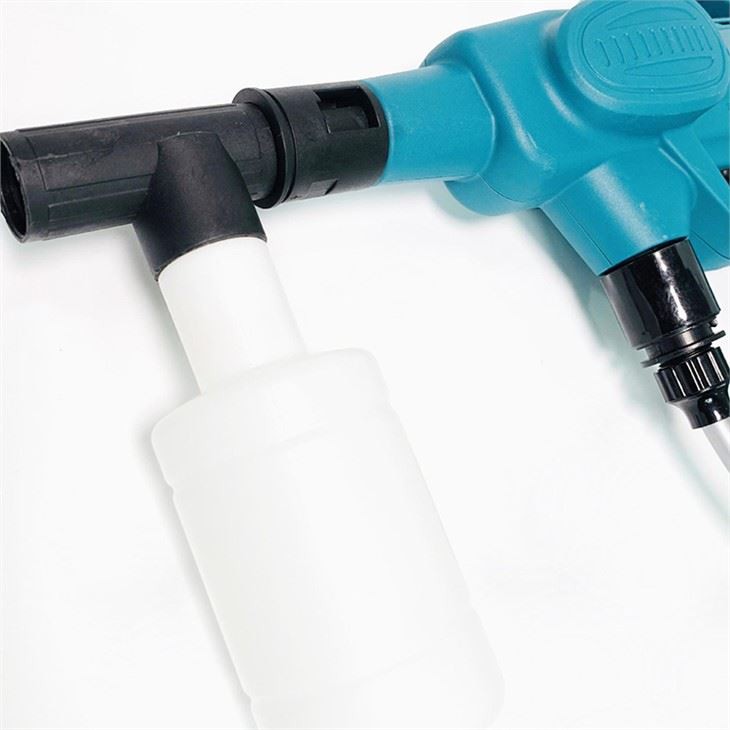
First off, let's talk a bit about electric water guns. These bad boys are a game - changer in the world of water - based cleaning and fun. We've got different types in our inventory, like the High Pressure Washing Gun, the Cordless High Pressure Water Gun, and the Portable Water Gun with High Pressure Wash Gun. They're designed to make your life easier, whether you're cleaning your car, watering your garden, or having a blast at a water fight.
Compatibility with Different Water Sources
Tap Water
Tap water is the most common water source for most people, and guess what? Electric water guns are generally super compatible with it. Tap water is usually clean and free of large debris, which is perfect for our guns. The pressure from the tap is often enough to feed the electric pump in the water gun, allowing it to work efficiently. However, the quality of tap water can vary from place to place. In some areas, the water might have a high mineral content, like calcium and magnesium. Over time, these minerals can build up inside the water gun's pump and nozzle, reducing its performance. But don't worry too much! Regular maintenance, like flushing the gun with clean water after use, can help prevent this.
Rainwater
Rainwater is another great option. It's natural and free from most of the chemicals that tap water might contain. Electric water guns work just fine with rainwater. You can collect rainwater in a barrel and use it with your water gun. However, rainwater can sometimes pick up dirt, leaves, and other debris from the air or the collection surface. So, it's a good idea to filter the rainwater before using it in your water gun. A simple mesh filter can do the trick, preventing any clogging in the gun's internal parts.
Well Water
Well water is a bit more of a mixed bag. The quality of well water can vary greatly depending on the location and the depth of the well. Some well water is very clean, while others might contain high levels of sediment, iron, or sulfur. If your well water has a lot of sediment, it can quickly clog the water gun's pump and nozzle. You'll need to install a sediment filter between the well and the water gun. Iron and sulfur in the water can also cause corrosion in the gun's metal parts over time. In such cases, you might need to treat the well water or use a water gun made from corrosion - resistant materials.
Saltwater
Now, saltwater is a big no - no for most electric water guns. Saltwater is highly corrosive, and it can quickly damage the internal components of the water gun. The salt in the water can cause rusting and pitting on the metal parts, and it can also affect the electrical components. If you accidentally use saltwater in your water gun, you need to flush it thoroughly with fresh water immediately to minimize the damage. However, if you're in a coastal area and really need a water gun for saltwater use, there are some specialized models available that are designed to be corrosion - resistant.
Factors Affecting Compatibility
It's not just the type of water that affects compatibility. There are other factors too.
Water Pressure
The water pressure of the source is crucial. Electric water guns are designed to work within a certain pressure range. If the water pressure is too low, the gun might not be able to draw in enough water, and its performance will suffer. On the other hand, if the water pressure is too high, it can put excessive stress on the gun's pump and other components, leading to premature wear and tear. Some electric water guns come with pressure regulators to help deal with different water pressures, but it's still important to know the pressure of your water source.
Temperature
The temperature of the water can also matter. Extremely cold water can make the plastic parts of the water gun brittle, increasing the risk of cracking. Hot water, on the other hand, can cause the seals in the gun to expand and potentially leak. Most electric water guns are designed to work with water at normal room temperature, so try to avoid using water that's too hot or too cold.

Tips for Ensuring Compatibility
- Check the Manufacturer's Guidelines: Always read the user manual that comes with your electric water gun. The manufacturer will usually provide information about the compatible water sources and any special requirements.
- Filter the Water: As we mentioned earlier, filtering the water can prevent clogs and damage to the water gun. You can use simple in - line filters for tap water or more advanced ones for well water or rainwater.
- Regular Maintenance: Cleaning your water gun regularly is essential. After each use, flush the gun with clean water to remove any remaining water and debris. Check the nozzle and pump for any signs of clogging or damage, and replace any worn - out parts as needed.
Conclusion
So, to answer the question, electric water guns are not compatible with all types of water sources. While they work great with tap water and rainwater with a little bit of care, well water and saltwater require more attention. By understanding the different water sources and taking the necessary precautions, you can ensure that your electric water gun works efficiently and lasts for a long time.
If you're interested in purchasing an electric water gun or have any questions about compatibility, feel free to reach out to us. We're here to help you find the perfect water gun for your needs and make sure you get the most out of it.
References
- General knowledge about water quality and its effects on equipment.
- Manufacturer's guidelines for electric water guns.
